


PVC-specific-Smoke-Suppressant
PVC-Specific Smoke Suppressant is a specialized additive designed to reduce the amount and density of smoke generated when polyvinyl chloride (PVC) materials are exposed to heat or fire. In many applications, PVC is valued for its durability, chemical resistance, flexibility, and cost efficiency. However, like most organic polymers, it can produce smoke during thermal decomposition or combustion. A PVC-specific smoke suppressant helps address this challenge by improving the overall fire performance of the material and enhancing safety in use.This type of additive is commonly used in PVC formulations for cables, flooring, wall coverings, pipes, profiles, films, synthetic leather, and other plastic products where fire safety is an important concern. By lowering smoke generation, it can improve visibility during evacuation and reduce the inhalation hazards associated with fire incidents. In environments such as public buildings, transportation systems, electrical installations, and industrial facilities, this performance is especially valuable.PVC-specific smoke suppressants are typically engineered to work effectively within the unique chemistry of PVC. PVC already has a relatively high chlorine content, which can contribute to some inherent flame resistance. However, smoke release can still be significant under fire conditions. The smoke suppressant is formulated to interact with the material’s decomposition process, helping to slow the release of volatile compounds, promote cleaner burning behavior, and reduce the formation of dense particulate smoke. In some cases, it may also assist in char formation, which can further limit smoke and heat release.These additives are often designed to be compatible with standard PVC processing methods such as extrusion, injection molding, calendering, and compounding. Good compatibility is essential so that the final product maintains desirable mechanical properties, surface quality, and processing stability. Depending on the formulation, the smoke suppressant may be used alone or in combination with other fire-retardant ingredients such as flame retardants, synergists, heat stabilizers, or filler systems. The balance between smoke suppression, flame resistance, and material performance must be carefully optimized.An effective PVC-specific smoke suppressant should offer several advantages. First, it should significantly reduce smoke density and opacity during combustion. Second, it should help maintain the physical integrity of the PVC product as long as possible under heat exposure. Third, it should be stable during processing and storage, without negatively affecting color, flexibility, or long-term durability. In addition, it should ideally meet relevant safety and regulatory requirements for applications where smoke emission is a critical parameter.With increasing attention to fire safety standards and environmental protection, demand for low-smoke PVC formulations continues to grow. PVC-specific smoke suppressants play an important role in helping manufacturers develop safer, more reliable products for modern construction, electrical, automotive, and consumer applications. Their use supports not only material performance but also broader goals related to occupant safety and fire risk reduction.If you want, I can also turn this into:1. a more technical product description, 2. a marketing-style English description, or 3. a version optimized for website SEO.
Products
Category:
-
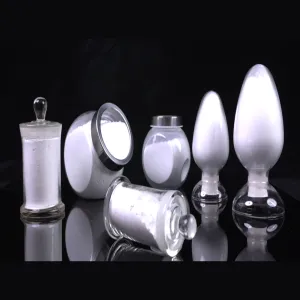
PVC-specific-Smoke-Suppressant
Category: Smoke SuppressantBrowse number: 15Number:Release time: 2026-09-20 05:04:23Wanfeng's 8312-type smoke suppressant is a high-efficiency product composed of multiple inorganic environmentally friendly smoke-suppressing elements scientifically formulated. During combustion it catalyzes PVC organics via a Lewis acid mechanism to form trans-polyene instead of cyclizing into aromatic ring structures (the main component of smoke), enabling rapid dehydration and carbonization of the material to achieve smoke suppression. This dehydration-carbonization proceeds under a special catalyst, so carbonization is more efficient and thorough. Meanwhile, the nano-lamellae in the suppressant form a nano-coating over the combustible surface, reducing combustion and smoke release. For acidic corrosive and toxic polluting gases generated during combustion, special components selectively absorb them, minimizing and eliminating smoke hazards. The suppressant also features excellent processing thermal stability, non-blooming, water resistance, light-aging resistance, and non-toxicity.
News
Category:
No search results found!
Case
Category:
No search results found!
Video
Category:
No search results found!
Download
Category:
No search results found!
Job
Category:
No search results found!
Featured Products
No search results found!



 Phone
Phone